Bird watching at Hoskote Lake:
After having heard a lot of positive stories of bird watching in Hoskote lake, I decided to explore the place on a summer Sunday morning.
Its popularity among birders framed my anticipation to spot many new avian species, on top of my bucket-list were the yellow Wagtail, Baya Weaver, rosy Starling, Crake's, Red Avadavat, Pied Cuckoo, Storks, Bushlark, Siberian Stonechat and the waders.
Route as shown in Google maps from old KR puram was not accurate, couldn't spot the small left turn after the petrol pump, so had no choice rather to cross the toll booth. Once past the toll gates, took the service road and took immediate left. The road is full of big potholes and was waterlogged due to the rains from past two days. There is a temple on the left and to the right is the lake. Suitable place for parking your vehicle.
The place is quite remote and I was skeptical exploring alone. As I reached the place, I could see many bird watchers already around the lake bed.
Due to heavy rains from past two days, the pathway was muddy and slightly slippery, so could manage to walk around the lake only for some distance. It's a large lake with a much larger wetland area, surrounded by villages and farmlands, inviting water birds, waders, and up-ground birds.
Most of the large birds like Storks, Ibis and Pelicans were concentrated in the middle of the lake, far from the human movement. Among them the painted Storks were my first time sightings in Bengaluru. The waders we're seen all around the wetlands and the up-ground birds were spotted after a short walk around the lake where there are trees and bushes.
The yellow Wagtail's were spread all across the lake bund, which was certainly the highlight of my tour. On a short walk around the lake one cannot miss-out spotting the yellow wagtail, wood sandpiper and pied cuckoo. The spotlight later turned towards a large flock of Rosy starlings, followed by small flocks of red and white-throated munia's.
Along with the Yellow Wagtail, pied cuckoo, Rosy Starling and Red Avadavat, some of the other species I spotted for the first time were the Siberian Stonechat, Ruddy-breasted Crake, Baillon's Crake, common Cuckoo and Jerdon's Bushlark.
The lake had both migratory visitors as well as the resident birds. The winter visitors often seen between Oct-Apr include the Garganey, Yellow Wagtails, Wood Sandpiper, Warblers, Siberian Stonechat and Rosy Starling. While Spot-billed Duck, Little Grebe, Cormorants, Egrets, Pond Heron, White-browed Wagtail are mostly resident birds.
Third Visit:
Hoskote Lake Life List from my three visits:
1. Garganey - Spatula querquedula
2. Indian Spot-billed Duck - Anas poecilorhyncha
3. Little Grebe - Tachybaptus ruficollis
4. Rock Pigeon - Columba livia
5. Spotted Dove - Streptopelia chinensis
6. Greater Coucal - Centropus sinensis
7. Pied Cuckoo - Clamator jacobinus
8. Asian Koel - Eudynamys scolopaceus
9. Little Swift - Apus affinis
10. Asian Palm-Swift - Cypsiurus balasiensis
11. Eurasian Moorhen - Gallinula chloropus
12. Eurasian Coot - Fulica atra
13. Gray-headed Swamphen - Porphyrio poliocephalus
14. White-breasted Waterhen - Amaurornis phoenicurus
15. Ruddy-breasted Crake - Zapornia fusca
16. Baillon's Crake - Zapornia pusilla
17. Black-winged Stilt - Himantopus himantopus
18. Red-wattled Lapwing - Vanellus indicus
19. Pheasant-tailed Jacana - Hydrophasianus chirurgus
20. Bronze-winged Jacana - Metopidius indicus
21. Common Sandpiper - Actitis hypoleucos
22. Wood Sandpiper - Tringa glareola
23. Painted Stork - Mycteria leucocephala
24. Oriental Darter - Anhinga melanogaster
25. Little Cormorant - Microcarbo niger
26. Great Cormorant - Phalacrocorax carbo
27. Indian Cormorant - Phalacrocorax fuscicollis
28. Spot-billed Pelican - Pelecanus philippensis
29. Gray Heron - Ardea cinerea
30. Purple Heron - Ardea purpurea
31. Intermediate Egret - Ardea intermedia
32. Little Egret - Egretta garzetta
33. Cattle Egret - Bubulcus ibis
34. Indian Pond-Heron - Ardeola grayii
35. Glossy Ibis - Plegadis falcinellus
36. Black-headed Ibis - Threskiornis melanocephalus
37. Black-winged Kite - Elanus caeruleus
38. Eurasian Marsh-Harrier - Circus aeruginosus
39. Black Kite - Milvus migrans
40. Brahminy Kite - Haliastur indus
41. Eurasian Hoopoe - Upupa epops
42. Common Kingfisher - Alcedo atthis
43. White-throated Kingfisher - Halcyon smyrnensis
44. Pied Kingfisher - Ceryle rudis
45. Green Bee-eater - Merops orientalis
46. White-cheeked Barbet - Psilopogon viridis
47. Rose-ringed Parakeet - Psittacula krameri
48. Brown Shrike - Lanius cristatus
49. Long-tailed Shrike - Lanius schach
50. Black Drongo - Dicrurus macrocercus
51. House Crow - Corvus splendens
52. Large-billed Crow - Corvus macrorhynchos
53. Jerdon's Bushlark - Mirafra affinis
54. Barn Swallow - Hirundo rustica
55. Wire-tailed Swallow - Hirundo smithii
56. Red-rumped Swallow - Cecropis daurica
57. Red-vented Bulbul - Pycnonotus cafer
58. Red-whiskered Bulbul - Pycnonotus jocosus
59. Blyth's Reed Warbler - Acrocephalus dumetorum
60. Ashy Prinia - Prinia socialis
61. Plain Prinia - Prinia inornata
62. Zitting Cisticola - Cisticola juncidis
63. Indian Robin - Copsychus fulicatus
64. Siberian Stonechat - Saxicola maurus
65. Pied Bushchat - Saxicola caprata
66. Rosy Starling - Pastor roseus
67. Common Myna - Acridotheres tristis
68. Jungle Myna - Acridotheres fuscus
69. Purple-rumped Sunbird - Leptocoma zeylonica
70. Purple Sunbird - Cinnyris asiaticus
71. Western Yellow Wagtail - Motacilla flava
72. White-browed Wagtail - Motacilla maderaspatensis
73. Paddyfield Pipit - Anthus rufulus
74. Baya Weaver - Ploceus philippinus
75. Red Avadavat - Amandava amandava
76. Indian Silverbill - Euodice malabarica
77. Tricolored Munia - Lonchura malacca
 |
| Yellow Wagtail, one of the most common sighting at the lake |
Its popularity among birders framed my anticipation to spot many new avian species, on top of my bucket-list were the yellow Wagtail, Baya Weaver, rosy Starling, Crake's, Red Avadavat, Pied Cuckoo, Storks, Bushlark, Siberian Stonechat and the waders.
Route as shown in Google maps from old KR puram was not accurate, couldn't spot the small left turn after the petrol pump, so had no choice rather to cross the toll booth. Once past the toll gates, took the service road and took immediate left. The road is full of big potholes and was waterlogged due to the rains from past two days. There is a temple on the left and to the right is the lake. Suitable place for parking your vehicle.
The place is quite remote and I was skeptical exploring alone. As I reached the place, I could see many bird watchers already around the lake bed.
Due to heavy rains from past two days, the pathway was muddy and slightly slippery, so could manage to walk around the lake only for some distance. It's a large lake with a much larger wetland area, surrounded by villages and farmlands, inviting water birds, waders, and up-ground birds.
Most of the large birds like Storks, Ibis and Pelicans were concentrated in the middle of the lake, far from the human movement. Among them the painted Storks were my first time sightings in Bengaluru. The waders we're seen all around the wetlands and the up-ground birds were spotted after a short walk around the lake where there are trees and bushes.
 |
| Egrets and Cormorants perched on the tree |
 |
| Painted Stork along with Gray Heron(left) |
 |
| Glossy Ibis |
 |
| Adult male Pheasant-tailed Jacana along with Purple Swamphen |
 |
| Purple Heron |
 |
| Spot-billed Pelicans along with Snake bird |
 |
| Yellow Wagtail |
 |
| Jacobin Cuckoo or Pied Cuckoo or Pied Crested Cuckoo |
 |
| Flock of Rosy Starlings perched on the tree |
 |
| A female Siberian Stonechat |
 |
| Ruddy-breasted Crake |
 |
| Jerdon's Bushlark |
 |
| Common Cuckoo |
 |
| Baillon's Crake |
 |
| White-browed Wagtail |
 |
| Barn Swallows |
 |
| Wood Sandpiper, another common winter visitor in Hoskote lake |
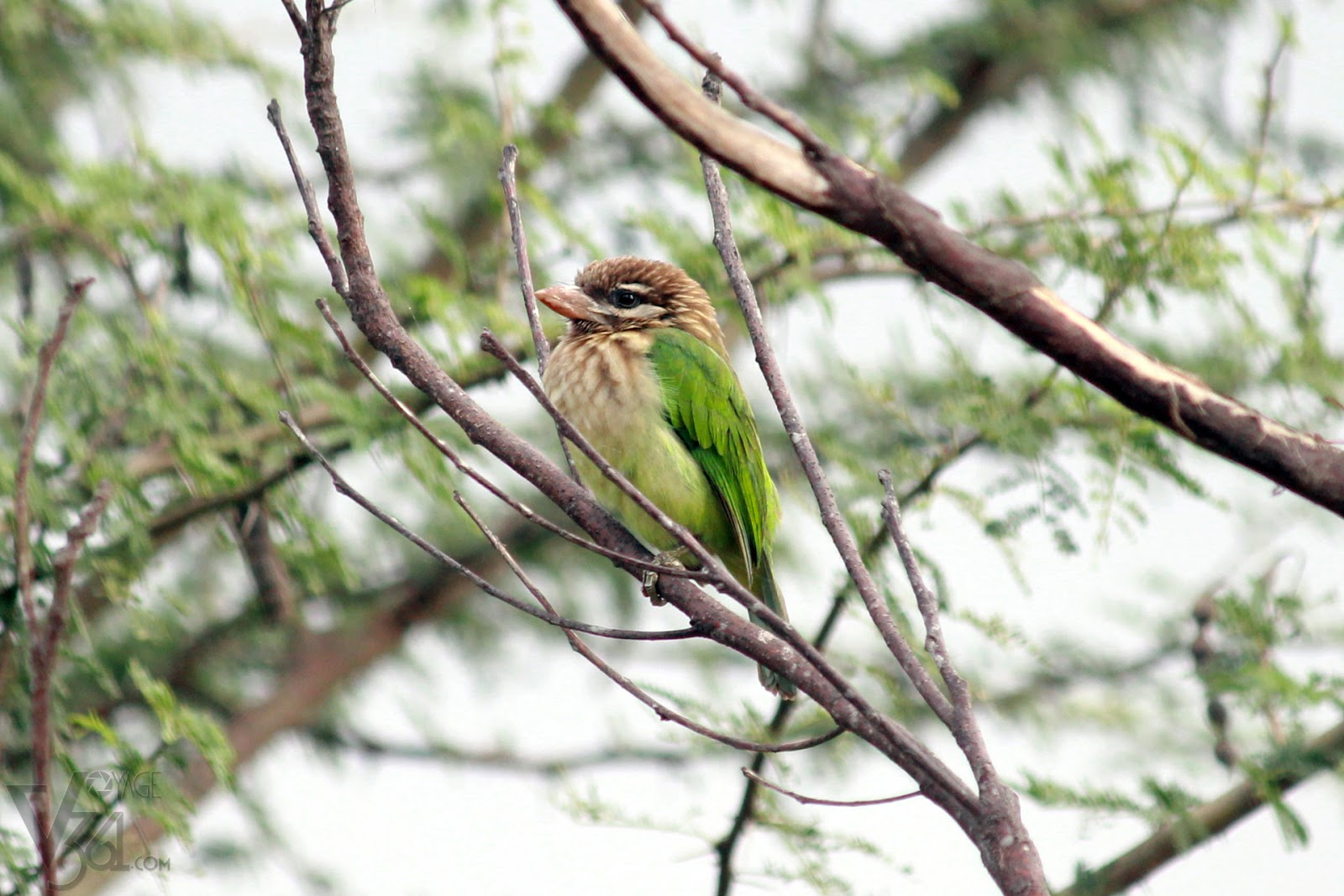 |
| White Cheeked Barbet |
 |
| Paddyfield Pipit with some disease in the legs |
 |
| Blyth's reed warbler |
 |
| Booted Warbler / Sykes's Warbler |
 |
| Ashy Prinia |
 |
| Plain Prinia |
 |
| A female Purple Sunbird |
 |
| Red Avadavat or Red Munia or Strawberry Finch |
 |
| Indian Silverbill or White-throated Munia |
 |
| Brahminy Kite (Oct-18) |
 |
| Pied Bushchat (Oct-18) |
 |
| Pied Bushchat - frontal view(Oct-18) |
 |
| Eurasian Hoopoe were seen feeding (Oct-18) |
1. Garganey - Spatula querquedula
2. Indian Spot-billed Duck - Anas poecilorhyncha
3. Little Grebe - Tachybaptus ruficollis
4. Rock Pigeon - Columba livia
5. Spotted Dove - Streptopelia chinensis
6. Greater Coucal - Centropus sinensis
7. Pied Cuckoo - Clamator jacobinus
8. Asian Koel - Eudynamys scolopaceus
9. Little Swift - Apus affinis
10. Asian Palm-Swift - Cypsiurus balasiensis
11. Eurasian Moorhen - Gallinula chloropus
12. Eurasian Coot - Fulica atra
13. Gray-headed Swamphen - Porphyrio poliocephalus
14. White-breasted Waterhen - Amaurornis phoenicurus
15. Ruddy-breasted Crake - Zapornia fusca
16. Baillon's Crake - Zapornia pusilla
17. Black-winged Stilt - Himantopus himantopus
18. Red-wattled Lapwing - Vanellus indicus
19. Pheasant-tailed Jacana - Hydrophasianus chirurgus
20. Bronze-winged Jacana - Metopidius indicus
21. Common Sandpiper - Actitis hypoleucos
22. Wood Sandpiper - Tringa glareola
23. Painted Stork - Mycteria leucocephala
24. Oriental Darter - Anhinga melanogaster
25. Little Cormorant - Microcarbo niger
26. Great Cormorant - Phalacrocorax carbo
27. Indian Cormorant - Phalacrocorax fuscicollis
28. Spot-billed Pelican - Pelecanus philippensis
29. Gray Heron - Ardea cinerea
30. Purple Heron - Ardea purpurea
31. Intermediate Egret - Ardea intermedia
32. Little Egret - Egretta garzetta
33. Cattle Egret - Bubulcus ibis
34. Indian Pond-Heron - Ardeola grayii
35. Glossy Ibis - Plegadis falcinellus
36. Black-headed Ibis - Threskiornis melanocephalus
37. Black-winged Kite - Elanus caeruleus
38. Eurasian Marsh-Harrier - Circus aeruginosus
39. Black Kite - Milvus migrans
40. Brahminy Kite - Haliastur indus
41. Eurasian Hoopoe - Upupa epops
42. Common Kingfisher - Alcedo atthis
43. White-throated Kingfisher - Halcyon smyrnensis
44. Pied Kingfisher - Ceryle rudis
45. Green Bee-eater - Merops orientalis
46. White-cheeked Barbet - Psilopogon viridis
47. Rose-ringed Parakeet - Psittacula krameri
48. Brown Shrike - Lanius cristatus
49. Long-tailed Shrike - Lanius schach
50. Black Drongo - Dicrurus macrocercus
51. House Crow - Corvus splendens
52. Large-billed Crow - Corvus macrorhynchos
53. Jerdon's Bushlark - Mirafra affinis
54. Barn Swallow - Hirundo rustica
55. Wire-tailed Swallow - Hirundo smithii
56. Red-rumped Swallow - Cecropis daurica
57. Red-vented Bulbul - Pycnonotus cafer
58. Red-whiskered Bulbul - Pycnonotus jocosus
59. Blyth's Reed Warbler - Acrocephalus dumetorum
60. Ashy Prinia - Prinia socialis
61. Plain Prinia - Prinia inornata
62. Zitting Cisticola - Cisticola juncidis
63. Indian Robin - Copsychus fulicatus
64. Siberian Stonechat - Saxicola maurus
65. Pied Bushchat - Saxicola caprata
66. Rosy Starling - Pastor roseus
67. Common Myna - Acridotheres tristis
68. Jungle Myna - Acridotheres fuscus
69. Purple-rumped Sunbird - Leptocoma zeylonica
70. Purple Sunbird - Cinnyris asiaticus
71. Western Yellow Wagtail - Motacilla flava
72. White-browed Wagtail - Motacilla maderaspatensis
73. Paddyfield Pipit - Anthus rufulus
74. Baya Weaver - Ploceus philippinus
75. Red Avadavat - Amandava amandava
76. Indian Silverbill - Euodice malabarica
77. Tricolored Munia - Lonchura malacca
Comments
Post a Comment